1. Plan the response
The crew writes a plan covering the hazards, the gear and the route for waste. Questions from the owner are welcome at this stage.
Columbia, MO · Boone County
What do you do when a strong chemical smell fills a Columbia building? Get everyone out and call 911 if anyone is in danger. Then call (877) 812-4220 for cleanup, ventilation guidance and waste removal.
If anyone is in danger, call 911 first. For a suicide crisis, call or text 988.
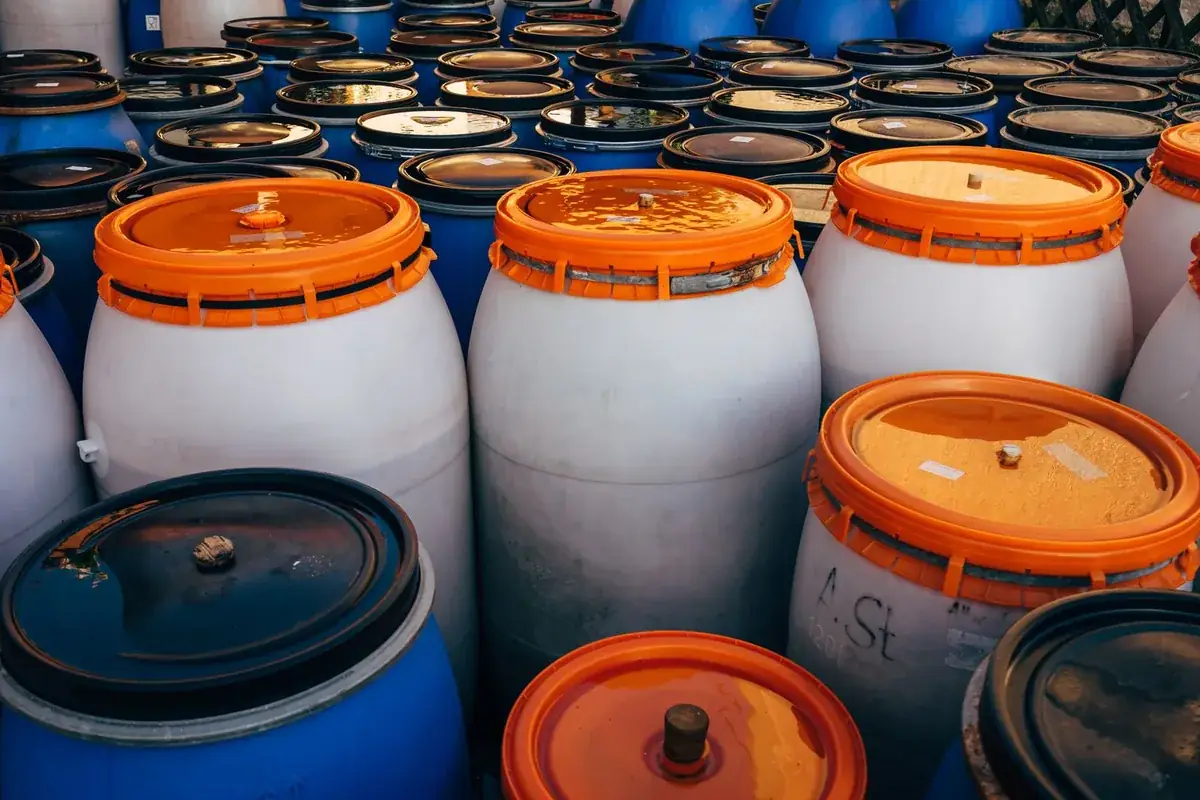
Hazardous waste removal is the process of collecting, sorting, labeling and transporting dangerous materials by the rules that apply to them. It protects people, pets, soil and water from exposure.
Need hazardous waste cleanup across Boone County, including Columbia? Call Columbia Biohazard Cleanup Help. Your crew sorts products by type, packages them so they cannot react and cleans the surfaces they leave behind.
Fewer homes in Columbia sit empty, so chemical calls tend to come from occupied properties with leaking garage or shed containers. Columbia receives about 45 inches of rain a year, and rain can wash spilled chemicals into yards, ditches and drains.
Chemical & Toxic Waste Cleanup in Columbia usually includes:
The crew writes a plan covering the hazards, the gear and the route for waste. Questions from the owner are welcome at this stage.
Gloves, eye protection, respirators and chemical-resistant suits go on as the hazard requires. The work zone is marked and ventilation is managed.
Barriers and absorbent materials stop the spill from spreading. The substance, damaged containers and soaked items are collected in suitable sealed containers.
Surfaces are cleaned with methods suited to the substance. Waste is labeled, sorted by type and hauled by the rules that apply.
The cost of chemical & toxic waste cleanup in Columbia, MO depends on the amount of material, how it is packed and how it is hauled.
The price of chemical and toxic waste cleanup depends first on the type of substance and how much there is. Some products are simple to contain, while others need special packing and disposal.
| Type of job | Typical range |
|---|---|
| Hazardous chemicals | $30 - $50 per barrel |
These ranges come from published cost guides (Fixr) and are not a quote for Columbia. Price drivers include type of chemical, amount, packaging and transport, disposal fees. For a real number, call (877) 812-4220.
Yes. Buyers, lenders and inspectors may ask that chemical waste be removed and documented. The crew removes the waste, cleans the area and supplies a summary of what was done.
It depends on the policy. Some cover sudden spills, and many exclude pollution or long-term leaks. Read your policy and call the insurance company before cleanup starts, then take photos from a safe spot and keep every receipt.
Yes. Many calls come from managers who find drums, jugs or unlabeled containers in a vacated unit. The lease and local law decide who pays, and the crew can provide photos and records.
Keep people away and call 911 if there is danger. Cleanup teams place barriers and absorbents to stop the spread and remove contaminated soil or materials where needed. Local fire and health officials can say what must be reported.
Reporting rules depend on the substance, the amount and where it spilled. The local fire department, the health department or an attorney can say what applies. A cleanup team can explain the work and the records it can provide.
Biological hazards come from living things, such as bacteria, viruses and body fluids. Chemical hazards come from substances like solvents, acids, fuels and pesticides. They need different gear, products and disposal, and some jobs involve both.
Calls are answered 24/7, and the work is kept discreet.
Call (877) 812-4220